Introduction: Leadership, Value and Legacy at HDFC
HDFC Bank sits at the heart of India’s private‑sector banking story, and its leadership decisions attract scrutiny from regulators, investors, and millions of customers. In early 2026, three threads are converging: the likely extension of MD & CEO Sashidhar Jagdishan, sharp market reactions to governance headlines, and renewed interest in the legacy of Hasmukhbhai Parekh, the man who started the original HDFC housing finance entity.
Bringing these elements together in one narrative helps readers understand not just “what happened this week”, but how leadership continuity, bank “net worth”, and founder vision collectively shape the long‑term HDFC story.
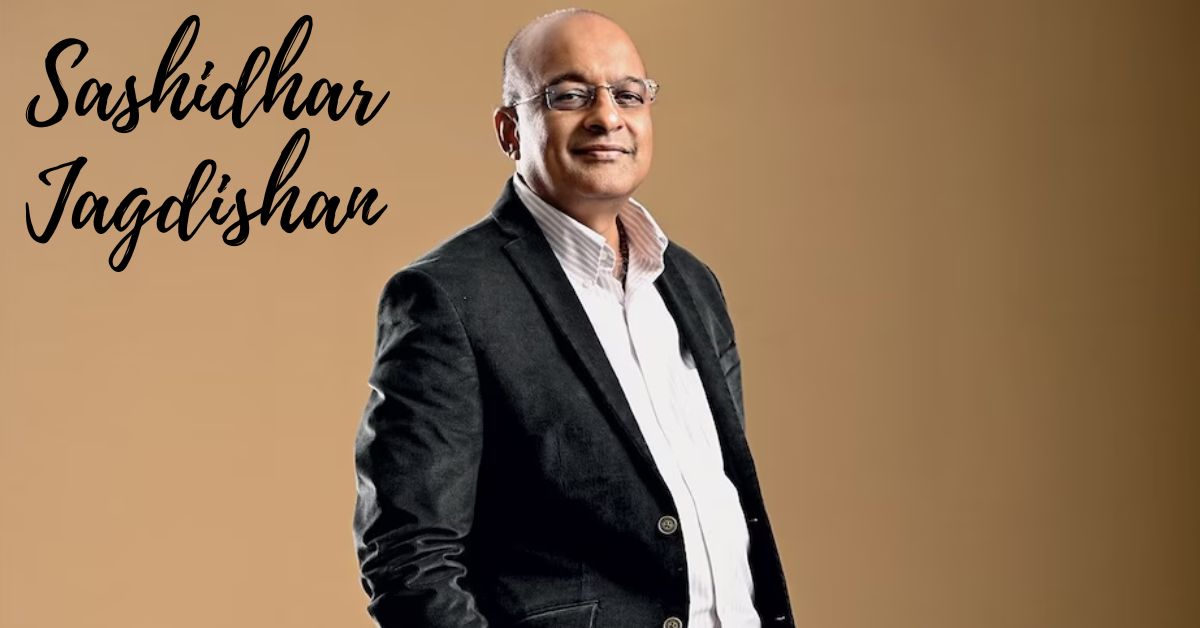
Sashidhar Jagdishan: The Man at the Helm
Sashidhar Jagdishan is not an outsider parachuted into HDFC Bank, but a long‑time insider who spent years in key roles before becoming MD & CEO in October 2020. Public profiles describe him as a career HDFC Bank executive with experience in finance, strategy, and operations, closely involved in the bank’s internal evolution before he took over from iconic predecessor Aditya Puri.
Snapshot: Sashidhar Jagdishan’s Current Role
Since 2020, his tenure has been defined by two big arcs: the major merger of HDFC Ltd into HDFC Bank, and the post‑merger period of integration, system alignment, and regulatory scrutiny. This is happening against a backdrop of rapid digital adoption, rising competition from other private and public lenders, and heightened expectations from both the RBI and capital markets.
The Extension Story: What We Know So Far
In March 2026, several business outlets reported that HDFC Bank’s board is likely to seek an extension for Sashidhar Jagdishan beyond his current term ending in October 2026. These reports, based on unnamed sources, say the board has already persuaded him to continue and now plans to approach the Reserve Bank of India (RBI) for approval.
At the same time, the bank has seen a notable leadership shuffle:
- Non‑executive chairman Atanu Chakraborty resigned, with explanations referencing differences over issues he felt did not align with his values and ethics.
- Veteran banker Keki Mistry has been brought in as part‑time chairman for a short interim period of around three months.
- Commentators link these developments to discussions over Jagdishan’s potential third term or extension.
March 2026: Key Leadership Headlines
| Date (2026) | Development |
|---|---|
| Mid‑March | Reports highlight chairman Atanu Chakraborty’s exit. |
| Mid‑March | Articles mention differences over the CEO’s extended term. |
| March 18 | Reports say board likely to seek CEO Sashidhar Jagdishan’s extension beyond Oct 2026. |
| March 18–20 | Bank communications address reports, markets react to perceived governance overhang. |
| Late March | Coverage notes RBI preference for continuity and the board’s efforts to retain Jagdishan. |
From an investor’s perspective, the extension story is not just about an individual—it is about continuity in the middle of a complex merger integration, a technology‑heavy operating environment, and a time when other senior leaders are exiting.
When you expand your article further, you can develop the narrative around these points without asserting outcomes that regulators or the board have not yet officially confirmed.
HDFC Bank “Net Worth”: Understanding Its Market Value
For a listed bank, the most visible measure of “net worth” in public discussion tends to be its market capitalization rather than just book value. Market cap is simply share price multiplied by number of outstanding shares; it moves daily with market sentiment, earnings outlook, and news flows about governance or regulation.
A recent snapshot for HDFC Bank shows:
- Around October 27, 2025: market capitalization near ₹15.41 trillion, marking strong long‑term growth compared to earlier years.
- Around March 20, 2026: market capitalization around ₹12.01 trillion, reflecting a noticeable decline versus late‑2025 levels.
HDFC Bank Market Cap Snapshot (Illustrative)
Reports in March 2026 note that HDFC Bank shares have fallen more than 20% from their peak, with brokerages citing a mix of factors: post‑merger technical pressures, concerns about deposit growth and margins, and leadership headlines linked to board changes and the CEO’s possible third term.
In a longer article, you can:
- Clarify the difference between market cap, book value, and shareholders’ equity in simple language.
- Emphasise that market cap is dynamic and does not mean that the underlying franchise is weak—many brokerages continue to see HDFC Bank as structurally strong despite near‑term worries.
Just be careful to avoid giving investment advice; stay descriptive and educational.
Why Leadership and Valuation Are Linked
Banks are trust‑driven institutions, and leadership stability is a key input into how investors perceive risk and future growth. When the chairman exits amid media reports of differences over the CEO’s extension, markets naturally start questioning the underlying governance narrative.
Recent commentary points to two simultaneous forces:
- Short‑term anxiety: Some investors worry about concentration of power or internal disagreements at the top, especially when coupled with a few quarters of below‑expectation metrics.
- Long‑term confidence: Others argue that HDFC Bank’s retail franchise, technology investments, and strong liability base still justify patience despite temporary valuation compression.
You can frame this section in your article as an accessible explanation of how boardroom developments and CEO tenure debates ripple outward into share price behaviour and, indirectly, perceptions of “net worth”.
Hasmukhbhai Parekh: The Original HDFC Founder
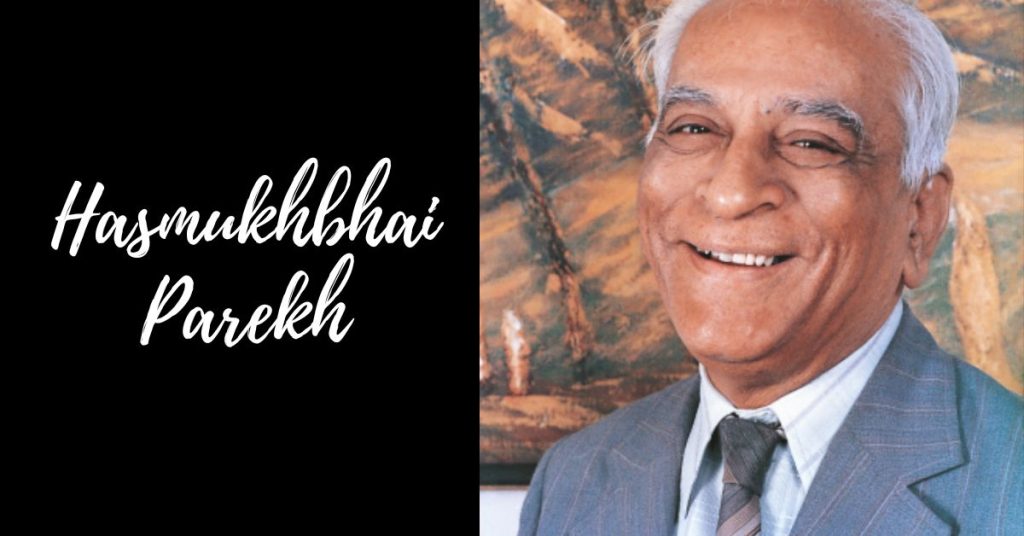
Before HDFC Bank became a stock‑market heavyweight, there was HDFC – Housing Development Finance Corporation – founded by Hasmukh Thakordas Parekh, affectionately known as Hasmukhbhai. After retiring from ICICI, he started HDFC in the late 1970s with a simple but bold vision: to create a formal housing finance institution that would enable ordinary Indians to buy homes on long‑term loans.
Founder Profile: Hasmukhbhai Parekh
Articles reflecting on his life often highlight how unusual it was for someone to take such a big entrepreneurial bet post‑retirement, especially in an India where mortgage finance was not common. That willingness to challenge the status quo is part of what later allowed the group to expand into banking, asset management, life insurance, and more.
In your article, you can use Hasmukhbhai Parekh’s story as a “roots and values” chapter: a way to show readers that today’s debates about CEO terms and market cap sit on top of a 40‑plus‑year tradition of conservative risk management combined with measured innovation.
Connecting Founder Vision and Today’s Leadership Choices
Linking Hasmukhbhai Parekh’s founding philosophy to 2026 leadership decisions can make your piece more narrative‑driven instead of purely newsy.
You can highlight themes like:
- Continuity vs change: HDFC’s success has historically rested on long‑tenured leadership that valued gradual, compounding growth over flashy short‑term moves. The question today is how that ethos is preserved as leadership teams change and regulatory expectations evolve.
- Risk and prudence: The founder built HDFC with a reputation for conservative underwriting; markets now watch whether the bank maintains that discipline in a more aggressive, competitive landscape.
- Institution over individual: While personalities matter, the group’s story has always emphasised the institution’s systems and culture—something investors now hope remains intact as they hear about boardroom debates and extensions.
This kind of analysis is safe to write because you are interpreting public facts and long‑term patterns without making claims about private deliberations.
Suggested Tables to Enrich the Article
You already have two tables above. For a longer, SEO‑rich post, consider adding:
- Timeline of Key HDFC Events – from HDFC’s founding to the HDFC–HDFC Bank merger and recent leadership headlines.
- Leadership Structure Snapshot – listing chairpersons, CEOs, and major roles over time (using only widely‑known names and dated roles).
- Simple Comparison: Founder Era vs Current Era – high‑level themes, not performance numbers, to avoid data‑heavy duplication from other sites.
These structured tables help users skim and also give Google more context for featured snippets.
How to Expand Further to 3000+ Words
To lengthen this draft into the 3000+ word range, you can:
- Add 2–3 paragraphs of plain‑language explainer for each concept: market cap, CEO tenure norms in Indian banking, RBI’s role in approving top bank appointments, etc.
- Include a background segment on HDFC Bank’s merger with HDFC Ltd: broad reasons, integration challenges, and what analysts are watching, based on summarized public commentary.
- Insert neutral, clearly attributed analyst viewpoints (e.g., “some brokerages describe the leadership noise as ‘manageable’ in the long term, while others flag it as a reason for near‑term caution”).
You may also like : Domestic Tour Pacakages, International Tour Pacakages, Kerela Tour, Andman Tour, Delhi Shimla Tour, Seasonal Tour, Ooty Mysore Coorg Tour 5 Nights / 6 Days, Travel Agent in Agra, Best Travel Agent in Agra, Tour Planner in Agra