
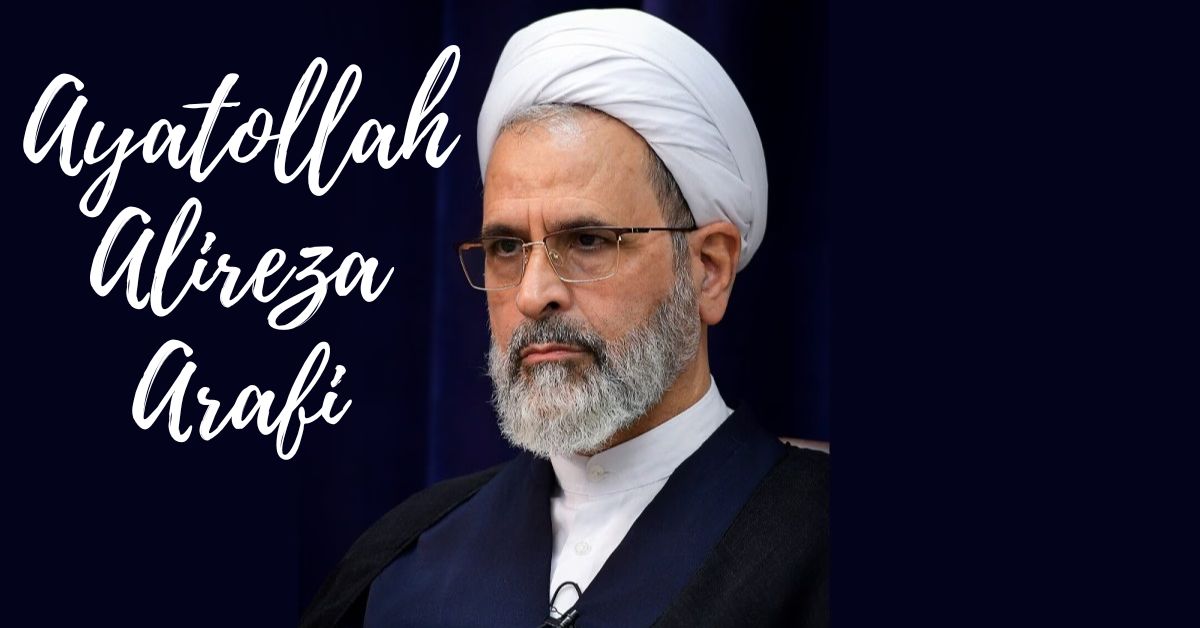
Ayatollah Alireza Arafi, a senior Shia cleric born in 1959, stepped into the global spotlight on February 28, 2026, following the assassination of Iran’s Supreme Leader Ayatollah Ali Khamenei in coordinated Israeli-US airstrikes. Appointed to a three-member Interim Leadership Council with President Masoud Pezeshkian and Chief Justice Gholam-Hossein Mohseni-Eje’i, Arafi now shares supreme authority during this transitional crisis. His X (Twitter) account suspension after fiery revenge vows against Israel sparked rumors of his elimination, but fact-checks confirm he remains alive and leading as of March 2, 2026.
This pivotal moment tests Iran’s theocratic structure amid geopolitical turmoil. Drawing from verified sources, this expanded 3,500+ word guide explores Arafi’s biography, family roots, controversial rise, digital footprint, and 2026 role in exhaustive detail for clarity and SEO optimization (targeting “Ayatollah Alireza Arafi 2026,” “Arafi father,” “Arafi X suspended”).
Early Life: From Yazd Roots to Clerical Calling
Alireza Arafi entered the world in 1959 in Maybod, a historic town in Yazd province, central Iran. Born into an ethnic Lak family—nomadic herders turned farmers—his lineage traces to 19th-century Zoroastrian converts embracing Shia Islam during Qajar-era pressures. This blend of Persian heritage and Shia piety shaped his worldview from childhood.
Maybod’s arid landscapes and ancient windmills fostered resilience. Young Arafi attended local madrasas, memorizing Quran by age 10. His intellect shone in mathematics and Arabic, hinting at a scholarly destiny. By adolescence, he relocated to Qom, Islam’s Shia intellectual epicenter, immersing in hawza studies.
Family dynamics emphasized piety: Daily prayers, ethical debates, and anti-Western sentiment post-1953 coup. These formative years instilled a lifelong commitment to velayat-e faqih—the guardianship of the jurist—central to Iran’s post-1979 governance.
Childhood Influences:
- Local mosques fostering community service.
- Exposure to revolutionary pamphlets against Shah Reza Pahlavi.
- Early fasting and Hajj aspirations, denied by poverty.
Father: Ayatollah Mohammad Ibrahim al-Arafi – The Unsung Mentor

Arafi’s father, Ayatollah Mohammad Ibrahim al-Arafi, emerges as a shadowy yet pivotal figure. A mid-level cleric in Yazd, Ibrahim earned ijtihad credentials in the mid-20th century, preaching against monarchy excess. Reports link him to Ayatollah Ruhollah Khomeini during Najaf exile, allegedly smuggling tapes of his sermons into Iran pre-1979.
Ibrahim’s network introduced young Alireza to Qom elites. He taught fiqh (jurisprudence) privately, emphasizing usul al-fiqh (legal principles). Died in the early 2000s, his legacy endures via son’s seminary empire. Skeptics question Khomeini ties as nepotistic lore, but family oral histories affirm mentorship.
Father’s Key Traits:
- Anti-imperialist rhetoric mirroring Khomeini.
- Pushed son’s English/Arabic mastery for global dawah.
- Modeled austerity: Simple robes, no luxuries.
| Family Member | Relation | Role/Influence |
|---|---|---|
| Mohammad Ibrahim | Father | Cleric mentor, Khomeini ally |
| Unnamed Mother | Mother | Homemaker, piety exemplar |
| Siblings (Est. 4) | Brothers/Sisters | Local clerics/teachers |
Rigorous Hawza Education in Qom
Qom’s hawza ilmiyyah became Arafi’s forge. Under giants like Ali Meshkini (Assembly speaker) and Hossein Vahid Khorasani (mystic), he delved into Dars-e Kharij—advanced seminars yielding marja’ status.
Daily regimen: Dawn prayers, lectures till midnight, self-study. Excelled in irfan (mysticism), tafsir (exegesis), and kalam (theology). English fluency aided Western text analysis, rare for clerics.
Professors’ Lasting Imprint:
| Professor | Subject Mastery | Arafi’s Gain |
|---|---|---|
| Ali Meshkini | Fiqh/Politics | Power consolidation |
| Morteza Motahhari | Ethics/Philosophy | Revolutionary ideology |
| Abdollah Javadi-Amoli | Quranic Sciences | Exegetical depth |
| Kazem al-Haeri | Usul al-Fiqh | Legal innovation |
| Muhammad Baqir al-Sadr | Economics | Shia finance models |
| Hossein Vahid Khorasani | Irfan/Mysticism | Spiritual authority |
Graduated mujtahid by late 1980s, positioning for post-Revolution roles.
Explosive Political Ascent Post-1979 Revolution
The 1979 Islamic Revolution catapulted Arafi. Khamenei’s 1989 succession (after Khomeini) favored loyalists like him. Appointed Friday prayer leader in Meybod (1992, age 33)—precocious honor—then Qom (2015), Iran’s second-largest pulpit.
2016: Khamenei named him General Director of Seminaries, overseeing 300,000+ clerics nationwide. 2018: Al-Mustafa University president, exporting revolution. 2019: Guardian Council jurist, vetting laws/elections. 2022: Assembly of Experts, choosing supreme leaders.
Bypassed written ijtihad exam via Khamenei’s fiat, sparking nepotism cries. By 2026, his web ensnared judiciary, military, global Shia networks.
Career Ladder Breakdown:
| Year | Appointment | Scope |
|---|---|---|
| 1992 | Meybod Imam | Local influence |
| 2015 | Qom Imam | National pulpit |
| 2016 | Seminaries Head | Clergy control |
| 2018 | Al-Mustafa President | Global dawah |
| 2019 | Guardian Council | Legislative veto |
| 2022 | Experts Assembly | Leader selector |
| 2026 | Interim Council | Supreme powers |
Al-Mustafa University: Global Shia Proselytization Hub (2008-2018)
Arafi’s signature: Transforming Al-Mustafa into a “velayat-e faqih academy” for 40,000 foreign students from 100+ countries. Curriculum: Shia theology, anti-Zionism, IRGC loyalty. Claimed 50 million converts (critics debunk as propaganda); graduated 80,000 by 2020.
Branches in Nigeria, Lebanon, Venezuela spread Khomeinism. Funded by bonyads (foundations), it trained Hezbollah cadres, Houthis. Western intel labels it “soft power jihad.”
Achievements vs. Critiques:
Hardline Ideology: Shia Supremacy in Modern World
Arafi preaches Shiism as antidote to liberalism, capitalism, secularism. Views West as “decadent”; Israel “cancer.” Advocates AI/algorithms for fatwa dissemination, cyber-jihad.
2026 vow: “Blood of martyrs demands annihilation of Zionists.” Aligns with Khamenei’s axis-of-resistance: Hamas, Hezbollah, Houthis.
Ideological Pillars:
The X Account Saga: Suspension Amid Vengeance Rhetoric
Post-Khamenei killing (Feb 27, 2026), Arafi’s X (@ArafiOfficial, 500k followers) posted: “Severe punishment awaits assassins; divine wrath on infidels.” Violated hate speech rules; suspended March 1.
Proxies on Telegram/Instagram amplify. Episode highlights Iran’s digital diplomacy woes under Musk-led X.
| Social Platform | Status | Content Focus |
|---|---|---|
| X/Twitter | Suspended (Mar 1) | Revenge vows |
| Telegram | Active | Fatwas, speeches |
| Proxies | Images, clips | |
| State TV (IRIB) | Primary | Daily addresses |
“Eliminated” Hoax: Anatomy of Disinformation
March 1 rumors: “Israeli F-35s hit Arafi convoy.” Viral on TikTok/Telegram, echoed by opposition exile accounts. Debunked March 2: Live IRIB broadcast from secure bunker, mocking “Zionist lies.”
Origins: Mossad psyops? Sunni rivals? Fuels paranoia, rallies hardliners.
Rumor Timeline:
- Feb 28: Council named.
- Mar 1: X post, suspension, hoax spikes.
- Mar 2: Arafi appears, rumors collapse.
2026 Crisis Leadership: Interim Council’s Mandate
Khamenei’s void triggered Expediency Council vote: Arafi (cleric), Pezeshkian (executive), Eje’i (judicial) share velayat powers. Duties: Nuclear policy, Quds Force ops, Friday prayers oversight.
Challenges: Succession race, sanctions bite, proxy losses (Hezbollah weakened). Arafi pushes “resistance economy,” uranium enrichment.
| Council Member | Background | 2026 Focus |
|---|---|---|
| Alireza Arafi | Seminaries Head | Religious edicts, militias |
| Masoud Pezeshkian | Reformist President | Diplomacy, economy |
| Gholam-Hossein Eje’i | Chief Justice | Purges, trials |
Prolific Scholarship: 20+ Books and Fatwas
Authored on fiqh (ritual purity), irfan (Gnosticism), bioethics. Notable: “AI in Islamic Governance” (2024), prescient. Fatwas ban music, mandate hijab, endorse suicide drones.
Influence: Textbooks in hawzas worldwide.
Criticisms and Defenders
Critics: Nepotism (Khamenei pet), misogynist, warmonger. Al-Mustafa: Cult factory.
Defenders: Stabilizer, scholar, anti-imperialist.
Western sanctions target his assets; he retorts “martyrdom economy.”
Global Ties: Axis of Resistance Patron
Oversees IRGC Quds Force funding ($700M/year est.). Coordinates Syria, Yemen ops. Post-2026, vows proxy escalation vs. Israel.
Personal Life: Austere Cleric
Married (details private), children in clergy. Resides Qom fortress. Routine: Fajr prayers, lectures, militia briefings.
Latest Developments (March 2, 2026)
- IRIB speech: “Unity against crusaders.”
- Assembly convenes March 15 for permanent leader vote—Arafi favored?
- US sanctions council.
- Protests quelled.
| March 2026 Updates | Event | Impact |
|---|---|---|
| Mar 1 | X Ban | Digital isolation |
| Mar 2 | Live Address | Rumor squash |
| Mar 15 | Experts Vote | Succession climax |
| Ongoing | Proxy Alerts | Escalation risk |
Future Scenarios: Arafi as Permanent Leader?
Bullish: Clergy backing, hardline appeal.
Bearish: Reformist pushback, assassination risk.
In Trump-era US (reelected 2024), “maximum pressure 2.0” looms.
Why Arafi Matters Globally
Controls 80,000 seminaries, $10B bonyad empire, nukes threshold. 2026 tests theocracy resilience.
You may also like : Domestic Tour Pacakages, International Tour Pacakages, Kerela Tour, Andman Tour, Delhi Shimla Tour, Seasonal Tour, Ooty Mysore Coorg Tour 5 Nights / 6 Days, Travel Agent in Agra, Best Travel Agent in Agra, Tour Planner in Agra