

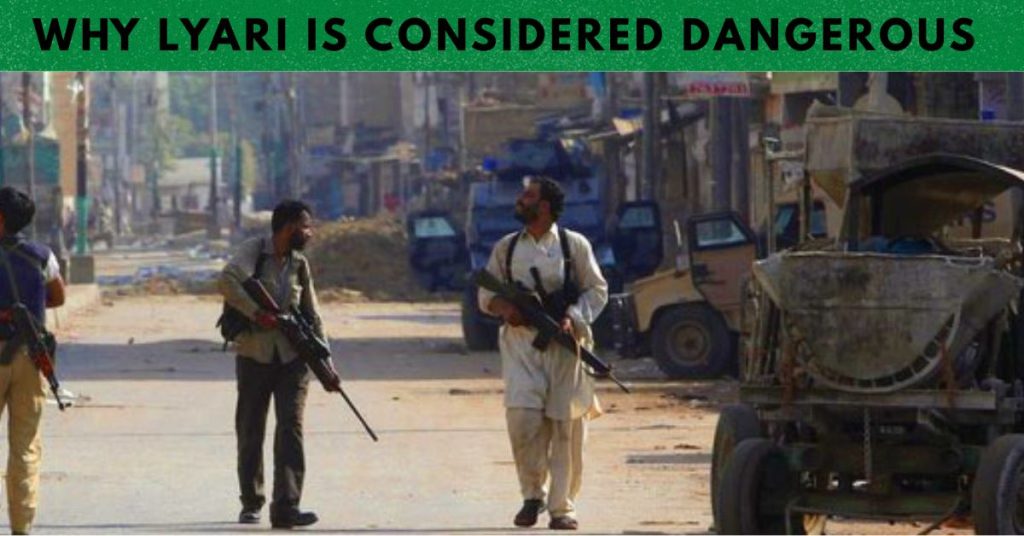
Lyari, a historic neighbourhood in Karachi, Pakistan, is one of the city’s most talked‑about yet least understood areas. Often labelled as “dangerous,” Lyari has long been associated with gang wars, crime, and a unique mix of politics and street power. In 2026, those perceptions are still very much alive, but the situation is also shifting because of security operations, migration, and even the influence of a Bollywood film about Rehman Dakait that has freshly stirred up fear and curiosity around Lyari.
By the end, you’ll understand why people call Lyari a “danger zone”, the real story behind Rehman Dakait, and how politics, security, and media together keep this Karachi neighbourhood in the spotlight.
What is Lyari, Pakistan?
Lyari is one of the oldest settlements in Karachi, Sindh, traditionally a working‑class, Baloch‑dominated area with a strong sense of community and loyalty to the Pakistan Peoples Party (PPP). It is located in central Karachi, bordered by Malir, SITE, and other industrial and low‑income zones.
Historically, Lyari has been known for:
- A strong Baloch cultural identity
- Long‑standing poverty, unemployment, and weak state services
- Deep political attachment to the Pakistan Peoples Party
Because of these factors, when formal state institutions were weak or absent, people in Lyari turned to local “power centres” and gang leaders to fill the gap — a pattern that ultimately led to the rise of figures like Rehman Dakait.
Why many people say Lyari is dangerous
There are several concrete reasons why Lyari has earned its reputation as a dangerous, high‑risk area in Pakistan. These are not just rumours; they come from real gang wars, security operations, crime waves, and recent spikes in anxiety in 2026.
1. History of gang wars and street violence
Lyari has been described as a “no‑go area” for many years because of deadly gang wars between rival groups like:
- The Peoples’ Aman Committee (PAC), linked to the Rehman gang
- The Kutchi Raabta Committee (KRC) and other local groups
These groups:
- Fight for control of territory and criminal rackets (extortion, land grabs, protection money).
- Use handguns and automatic weapons in street battles, often killing civilians by accident.
- Create an atmosphere of fear in which residents feel they cannot move freely, especially at night.
For many outside Lyari, this history is why the area is often equated with violence and lawlessness.
2. Operation Lyari and security crackdowns
Because of the gang wars, the Pakistani government launched “Operation Lyari” — a major security crackdown against gangs, criminals, and terror‑linked groups in the area.
What this meant for residents:
- Paramilitary rangers and police raids in narrow lanes and densely packed houses.
- Large‑scale arrests and seizures of weapons and drugs.
- Fear among ordinary people who worry about being caught in the crossfire or being targeted by gangs or the state.
Even though Operation Lyari reduced some of the open‑street violence, it also left behind a legacy of trauma and suspicion, which keeps Lyari in the news and reinforces the idea that it is a dangerous, militarised zone.
3. Recent tensions in 2026
In March 2026, news and social‑media reports show that tension in Lyari has spiked again, with local residents and security forces on high alert.
What is happening in 2026:
- People are reported to be on high guard, looking out for “suspicious” behaviour.
- There are rumours and panic about foreign spies following the release of a Bollywood film about Lyari and Rehman Dakait.
- Some accounts say that police and locals have taken to the streets searching for alleged “Indian spies” after the film created a wave of fear.
This mix of real security worries and film‑fueled fear makes Lyari feel even more dangerous or “high‑risk” to people both inside and outside the neighbourhood.
4. Poverty, unemployment, and weak services
Lyari is also dangerous in a social and structural sense because of:
- High unemployment, especially among young men who can be easily drawn into gangs or criminal rackets.
- Poor infrastructure: narrow streets, inadequate policing, and limited access to justice.
- A strong sense of political loyalty that can be exploited by local leaders and gang bosses.
When people have no good jobs or government support, they often turn to street‑level power structures — which can be very violent or corrupt.
Why Lyari Is Considered Dangerous (Summary)
This table shows that Lyari is not dangerous just because of “crime” in a generic sense; it is dangerous because of gang politics, weak governance, and a recent spike in security anxiety in 2026.
Who was Rehman Dakait?
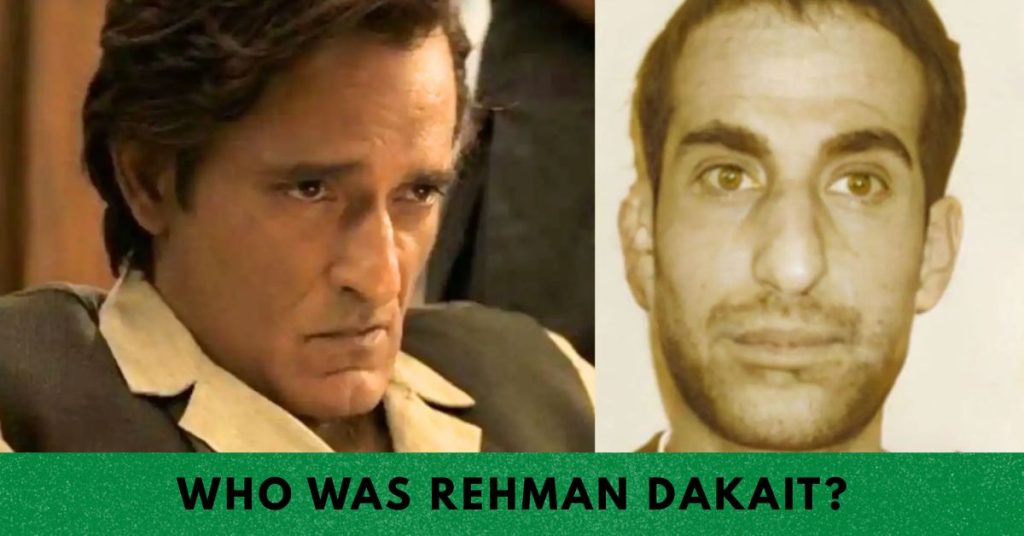
When people talk about Lyari, very few names come up as often as Rehman Dakait — a real‑life gang leader whose story has become almost legendary in Karachi and beyond. His name is now being mentioned again in 2026 because of a Bollywood film (“Dhurandhar 2”) that loosely draws from his life.
1. From street gangster to “Robin Hood” figure
Rehman Dakait (real name often given as Abdul Rehman Baloch / Sardar Abdul Rehman Baloch) rose from being a street gangster in Lyari to a feared yet popular figure in the neighbourhood.
Key points about his background:
- Joined and then split from the Laloo gang after its leader was arrested, forming his own Lyari gang in the early 2000s.
- Used violence and territorial control to dominate parts of Lyari and nearby areas like Malir and Korangi.
- Presented himself as a protector of the poor and of Baloch youth, giving unemployed boys daily wages and guns to patrol the area.
To many locals, Rehman was not just a criminal; he was a “Robin Hood–style” strongman who filled the gap left by the state.
2. The Peoples’ Aman Committee (PAC)
Rehman did not stop at crime. He also entered formal‑sounding politics by creating the Peoples’ Aman (Peace) Committee (PAC).
What the PAC did:
- Officially claimed to bring “peace” and end the gang war in Lyari.
- De facto acted as his own armed wing, securing territory and controlling rackets.
- Mixed social‑political language with underworld power, making it hard to separate “politics” from “gangsterism”.
The PAC was eventually banned by the Sindh Home Department for its violent activities, but its legacy remains tied to Rehman’s image: a criminal who talked like a politician.
3. Politics, PPP, and police links
Lyari is a core PPP area, and Rehman became closely linked with the Pakistan Peoples Party and some senior political figures.
What this meant:
- He was often photographed with PPP leaders, including former Home Minister Zulfiqar Mirza and Benazir Bhutto.
- Critics say police and political leaders turned a blind eye to his activities because of political benefits.
- Supporters argue that no one else was taking care of Lyari, so figures like Rehman stepped in.
This mix of PPP‑linked politics and gang power is a big reason why Lyari is still seen as a politically volatile and dangerous place.
Rehman Dakait – Key Facts
| Topic | Detail |
|---|---|
| Real name | Often referred to as Sardar Abdul Rehman Baloch |
| From which gang? | Split off from the Laloo gang; formed his own Lyari gang |
| Gang activities | Control of Lyari territory, extortion, rackets, street violence |
| PAC (Peoples’ Aman Committee) | Armed group presented as a “peace committee” in Lyari |
| Political links | Pakistan Peoples Party (PPP), Zulfiqar Mirza, Benazir Bhutto |
| Legacy in 2026 | Still referenced in films and local security discussions |
This table shows how Rehman blended street crime, gang leadership, and political branding into one powerful, dangerous identity.
How politics and gangs are still linked in Lyari
One of the most confusing and scary things about Lyari is that gangs and politics are not separate; they often overlap.
1. Party‑linked armed groups
In Lyari:
- Political parties like the PPP are very strong, but they also rely on local armed groups to control votes and territory.
- Even after Operation Lyari and PAC‑related crackdowns, new power brokers and successor gangs (like Uzair Baloch’s network) emerged, keeping the link between crime and politics alive.
2. Residents caught in the middle
Ordinary people in Lyari are often:
- Expected to support certain political‑gang combinations.
- Afraid to speak out, because whoever is in power can be brutal toward opponents.
- Caught between state crackdowns (police and rangers) and gang‑level violence if the balance shifts.
This is why Lyari feels so dangerous and unpredictable: it is not just “crime vs police,” but gangs vs gangs, politics vs politics, and people in the middle.
Lyari in 2026: Dangerous, but also changing
Despite the fear, Lyari is not stuck in time. There are real changes happening in 2026:
- More security and public attention because of Operation Lyari–style measures and film‑induced panic.
- Community awareness is rising; people are more alert and ready to report suspicious activity, even if that sometimes leads to exaggerated fear.
- Media and cinema are shining a light on Lyari, which can help or hurt — depending on how the story is told.
Lyari Then vs Lyari 2026
| Aspect | Lyari in the 2000s–early 2010s | Lyari in 2026 |
|---|---|---|
| Gang situation | Open gang wars (PAC vs KRC etc.) | Reduced open war, but still underlying tension |
| Security presence | Weak police, then Operation Lyari | Rangers, police, and community vigilance |
| Public image | “No‑go area” and battlefield | Still seen as risky, but more in the spotlight |
| Media attention | Local news about crime | National/global attention from films and social media |
| Everyday life | High fear of random violence | Fear of targeted crime and “spy‑hunting” panic |
Key Figures in Lyari’s Gang–Politics History
| Name | Role in Lyari | Status today (2026 reference) |
|---|---|---|
| Rehman Dakait | Gang leader, PAC founder, PPP‑linked | Deceased; referenced in films and political debates |
| Arshad Pappu | Rival gang leader (Arshad gang) | Deceased; part of Lyari war narrative |
| Uzair Baloch | Successor‑type gang figure after Rehman | Was active; later crackdowns and legal cases |
| Uzair Jan Baloch (Uzair Baloch’s successor style) | Linked to political assassinations | Part of Operation Lyari narrative |
| Kutchi Raabta Committee (KRC) | Rival of PAC (PAC) | Declared or banned over time, still referenced |
This table shows how Lyari’s danger is not just about one man (Rehman) but about a chain of gang leaders, political deals, and security operations that keep the area in a tense state over many years.
Final thoughts: Is Lyari safe to visit or talk about in 2026?
For many Pakistanis and foreigners, “Lyari” is more of a symbol than a place they know personally. It stands for:
- Urban violence and gang wars
- The tight knot between crime and politics
- A working‑class community that is loyal, proud, and often ignored until something goes wrong
In 2026, Lyari is:
- Still risky, especially for someone who does not know the area.
- More visible because of security operations and pop‑culture attention (like the Rehman‑inspired Bollywood film).
- Not a simple “danger zone”, but a complex social and political landscape that deserves careful, informed discussion.
You may also like : Blueroads, Travel Agency in Agra
